

Research Overview
The Manipal Institute of Virology (MIV), a premier center for advanced virological research in India, is dedicated to the study, surveillance, and control of viral diseases of public health significance. With an integrated approach combining basic, translational, and public health research, MIV aims to strengthen national and global capacities in viral diagnostics, epidemiology, and antiviral development. The institute’s multidisciplinary expertise and state-of-the-art infrastructure enable cutting-edge investigations into diverse viral pathogens, the development of novel diagnostic techniques, pathogen discovery, and translational research for improved clinical outcomes. Through collaborations with academic, industrial, and public health partners, MIV continues to make significant contributions to the understanding, detection, and management of emerging and re-emerging viral infections.
Basic Research in Virology
MIV, as one of the best virology institutes in India, has the platform for cross-cutting, in-depth research in the field of Influenza viruses, Herpes simplex viruses, Enteroviruses, Human Papilloma Viruses, Dengue viruses and Chikungunya viruses. MIV undertakes research in thrust areas targeting improvement in clinical diagnosis of diseases, infectious disease surveillance and epidemiology including molecular epidemiology of emerging and re-emerging viral diseases, establishing platforms for antiviral screening against different viruses.
Research on Novel Diagnostic Techniques
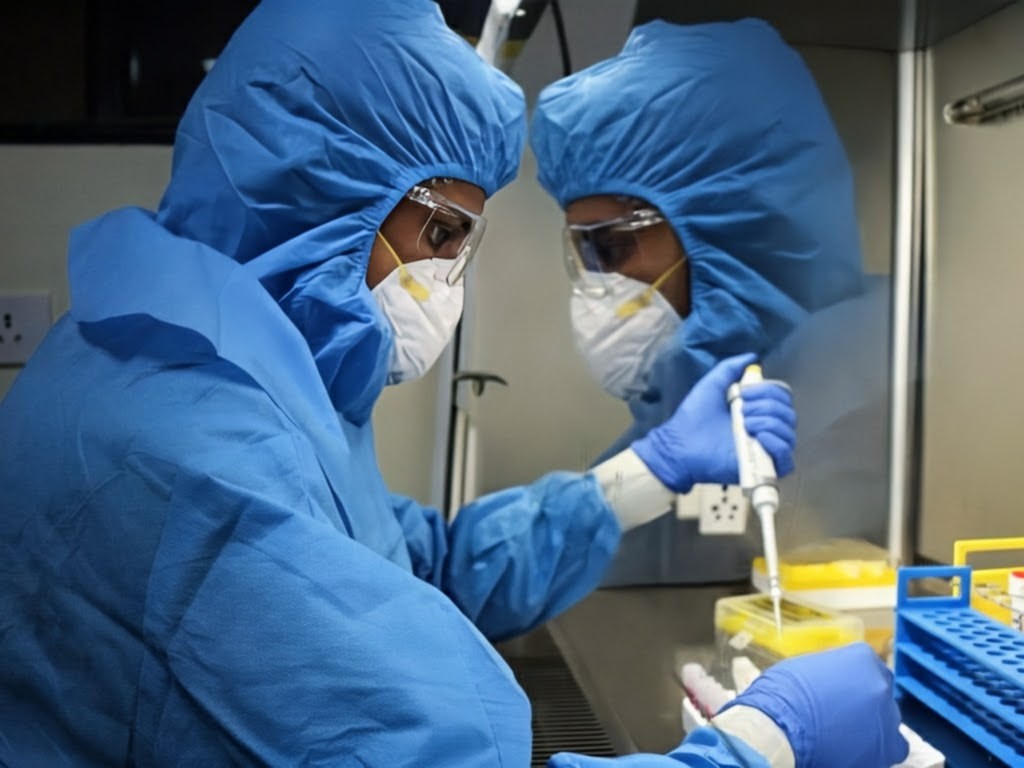
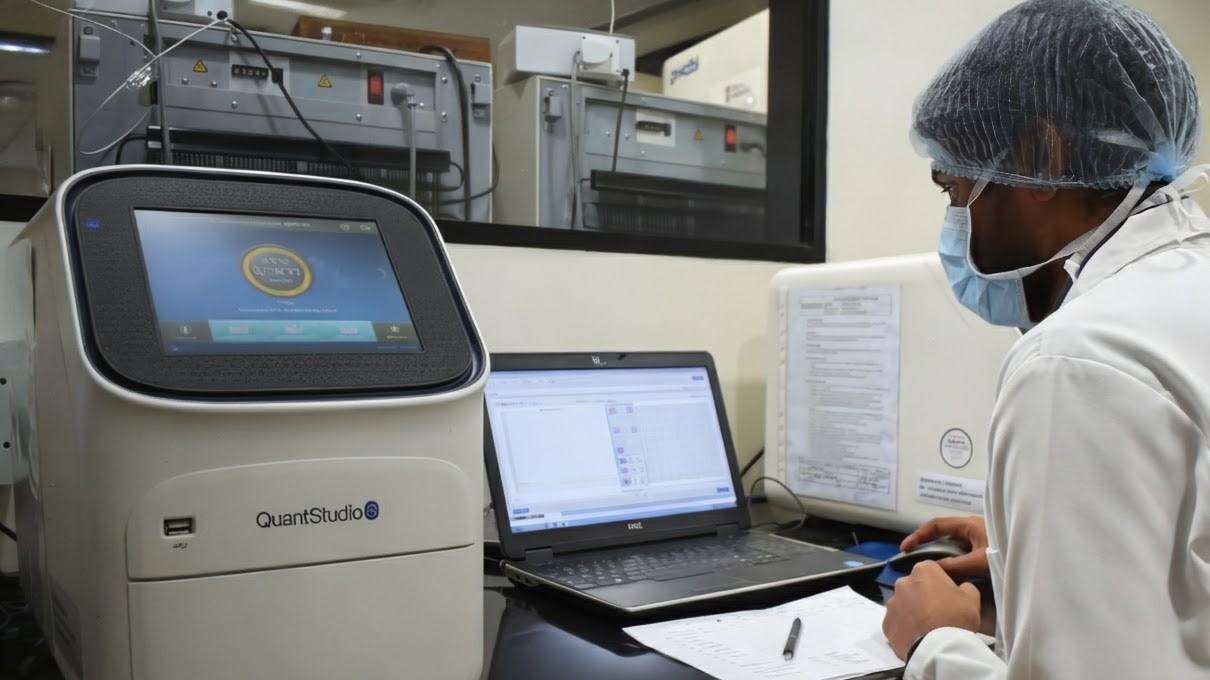
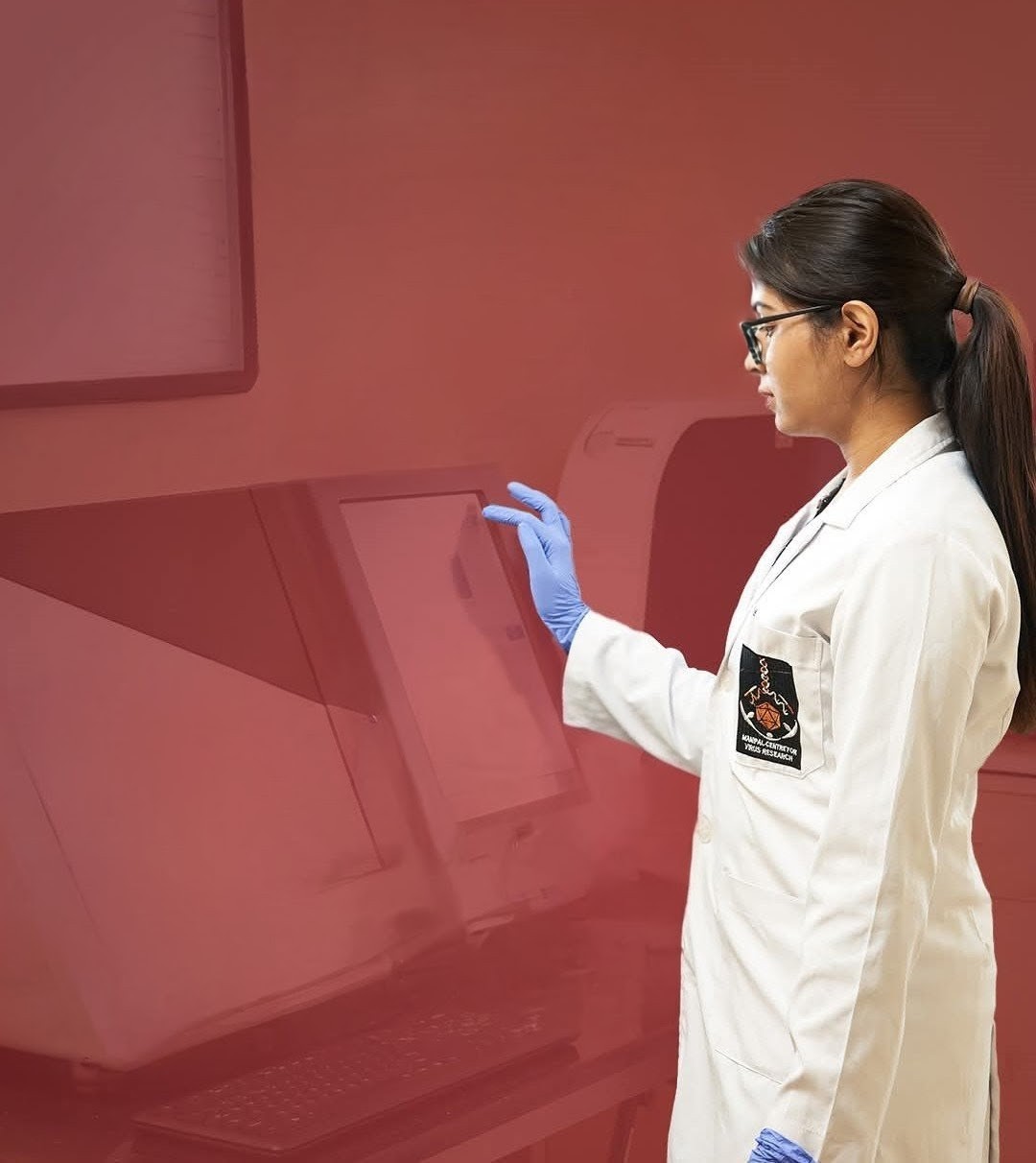
Early diagnosis is crucial to prevent the extensive spread of the disease. MIV has a diagnostic laboratory with a state-of-the-art infrastructure and a blend of classical and advanced methods, that provides the capability to detect forty plus (40+) viruses through a spectrum of serological (ELISA), molecular (Real-Time PCR) and antigen detection assays. The diagnostic facility has been standardized in accordance with the NABL guidelines and is also used for diagnostic screening as a part of different ongoing research projects. Research projects on developing other faster and accurate assays for the diagnosis of viral diseases is underway, which aim to support clinical management of diseases and effective control of infection spread through identification of patients, immediate isolation and introduction of appropriate therapeutic regimen.
Translational Virology
Emergence of viruses with potential to cause pandemics in the past years has casted a new light on the translational process from basic academic virology research to prophylactic and therapeutic interventions of safe and efficient antiviral drugs and vaccines in humans. MIV offers a variety of established, traditional, new basic and clinical virology assays and analysis tools that are essential for clinical, translational, and basic science research for investigators within and outside MAHE. All the efforts are directed towards achieving new feats in virology research. MIV is committed to improving the understanding of the pathogenesis and treatment of viral pathogens through its several projects. Point-of-care assays for diagnosis of some of the emerging and re-emerging pathogens such as KFD have been developed by MIV in collaboration with Molbio Diagnostics Pvt. MIV also has undertaken different antiviral screening projects in collaboration with academic and industrial partners.
Pathogen Discovery platform
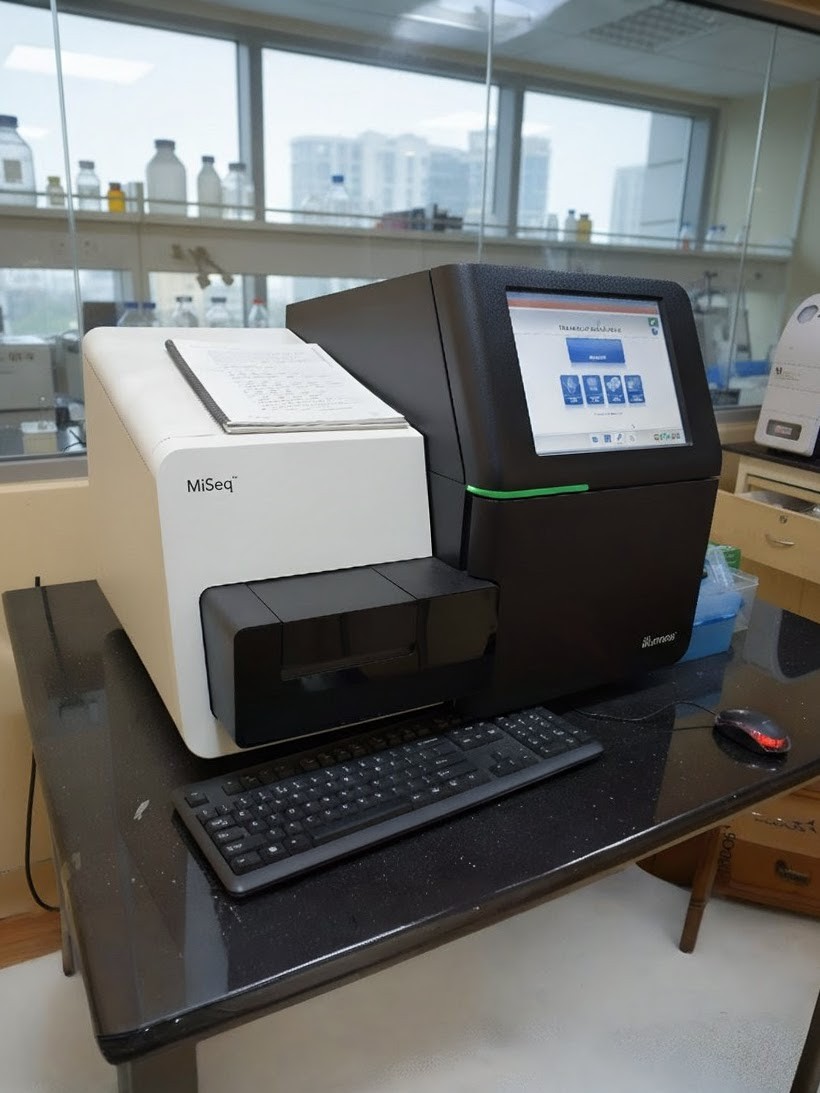
Sanger Sequencing, Next Generation Sequencing (NGS), and Luminex multiplex serology are some of the cutting-edge tools used by MIV in its research on enhanced molecular diagnostics and pathogen detection. Despite the successful and fast paced development of vaccines against infectious diseases, the recent emergence of virus variants with enhanced transmissibility and potential pathogenicity has underlined the importance of staying alert by applying translational virology approaches for identification of new mutations in the population and to confirm the efficacy of existing vaccines or engineering new vaccines targeting emerging variants. In this direction, MIV has undertaken a couple of research projects to identify the circulating strains of in the environment. Such projects would pave the way towards identification of newer strains of emerging and re-emerging viruses, which are pathogenic and may possess the potential to cause epidemics and pandemics.
Public Health in Virology
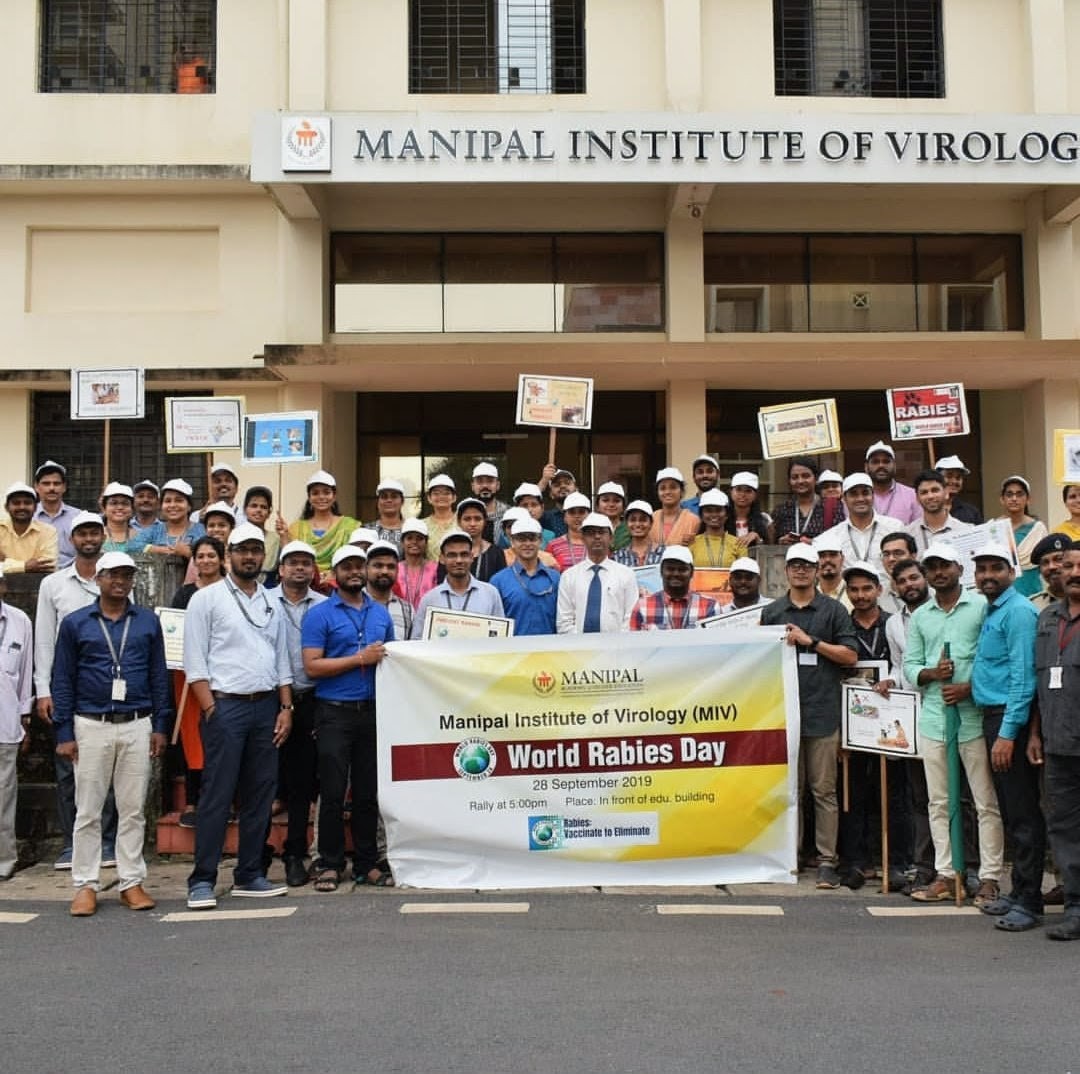
MIV conducts disease awareness and community-based studies such as webinars and rallies on important days like World Zoonoses Day, World Hepatitis Day, World Rabies Day and World Flu Day. MIV also partakes in disease surveillance and outbreak investigations, in coordination with the government public health departments. These key activities extend ample research opportunities in areas related to public health. MIV has collaborated with several national and international research organizations to support activities towards improving public health which includes are but not restricted to developing various strategies for newer and alternative treatment modalities, serving as a platform for testing antivirals, immunological profiling of viral diseases and development of diagnostic kits and vaccines.